
Technology

Antimicrobial peptides: the next generation of antibiotics

Antimicrobial Resistance Crisis

10,000,000

Deaths per year projected by 2050 due to antimicrobial resistance

12

New antibiotics approved since 2000, nearly all iterations of existing drug classes

2017

US and Canada restricted veterinary antibiotic use to prescription-only

Antimicrobial drugs, based on small-molecule antibiotic compounds, have saved countless lives since the discovery of penicillin in 1928. However, these drugs have now lost or are losing effectiveness as microbes become resistant. Antimicrobial resistance threatens not only infection treatment but also the safety of surgery, organ transplants, and cancer treatments that rely on antibiotics to prevent complications.

Antibiotics were routinely used in North American farms to keep animals healthy and prevent foodborne illness outbreaks. In response to antimicrobial resistance, regulators in the US (2017) and Canada (2018) restricted veterinary use of all medically important antimicrobials to prescription-only applications. These necessary changes have created an economic burden for farmers, who are seeking antibiotic replacements.

What Are Antimicrobial Peptides?

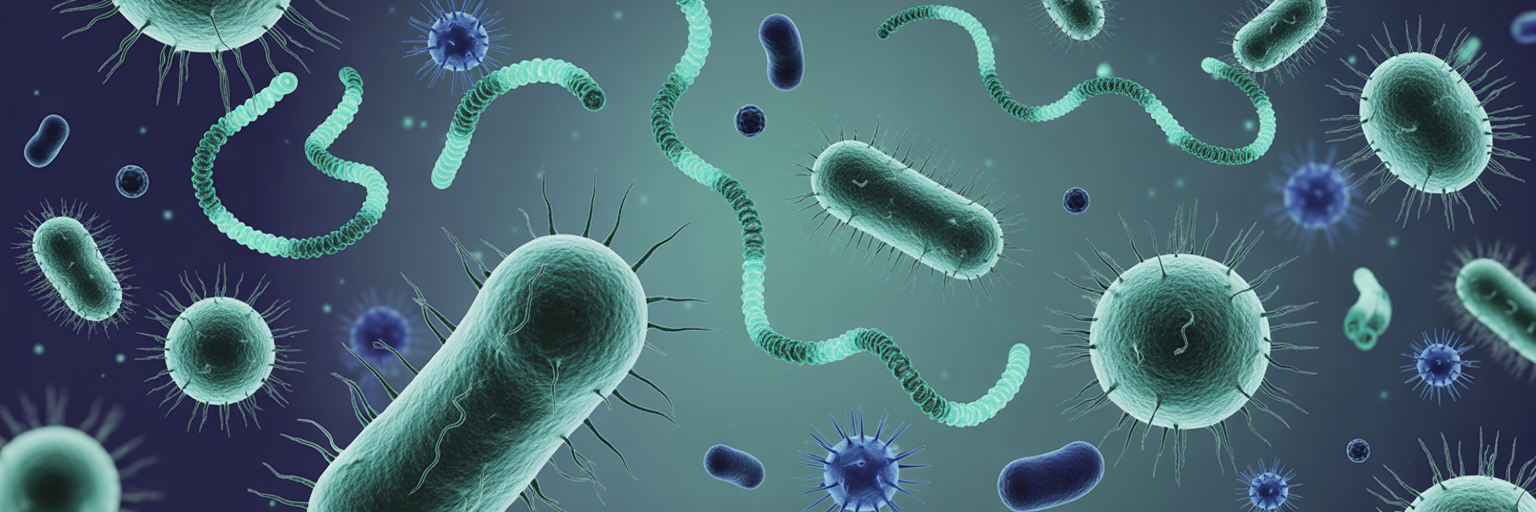
Amphoraxe develops alternatives to conventional antibiotics using antimicrobial peptides (AMPs). These are short host defense proteins produced naturally by all living organisms as part of their immune systems.

AMPs are one potential alternative to conventional small-molecule antibiotics. They act faster than small-molecule antimicrobials and do not cause DNA damage. Consequently, they do not induce resistance to the same degree as conventional antibiotics.

Our lead candidates eliminate various bacteria, including antibiotic-resistant strains, without harming animal cells—offering a powerful new approach to fighting infection.
AMP Discovery Pipeline

01

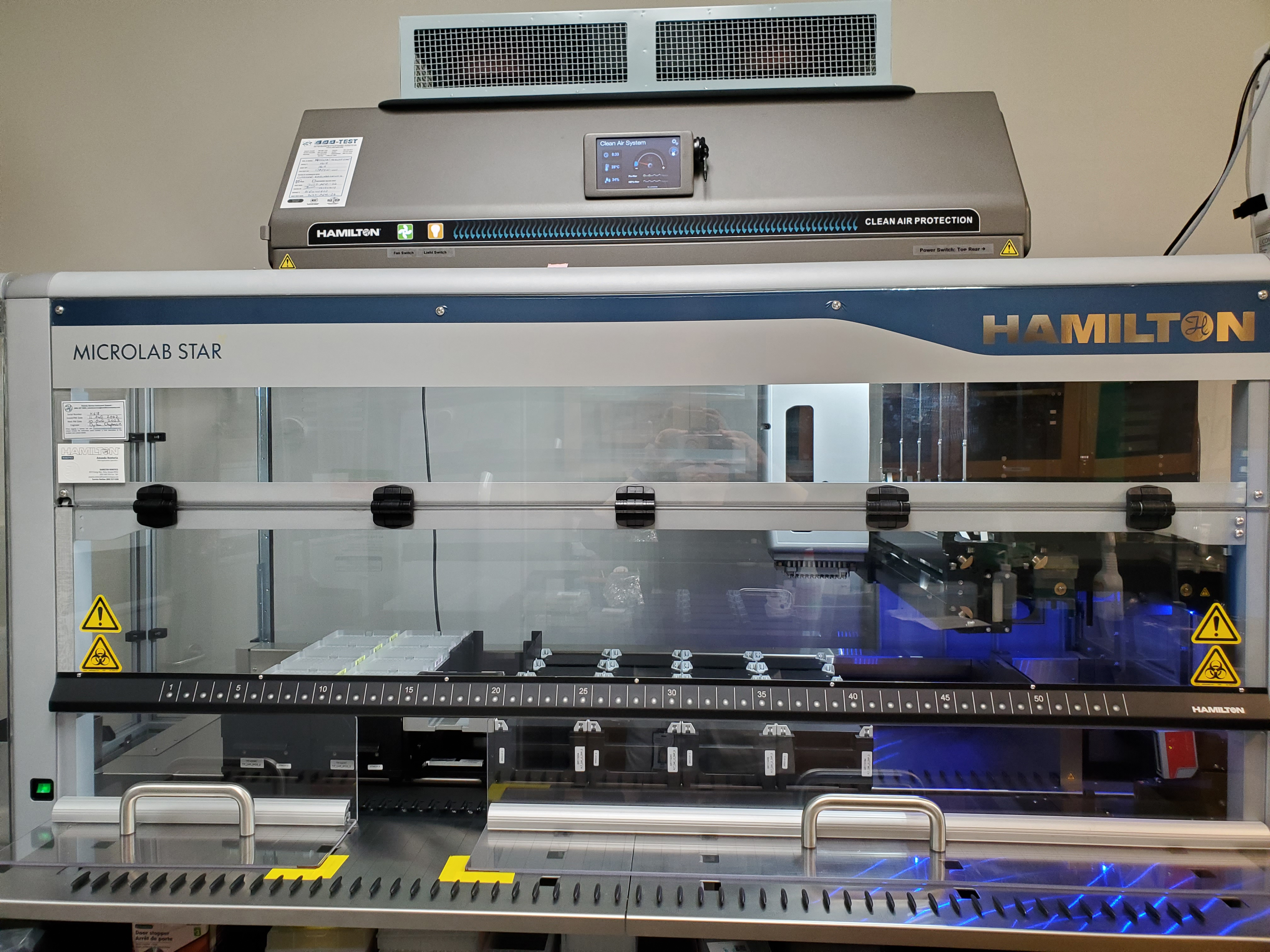
Computational Genome Analysis

Our computational methods identify novel AMPs from genome (DNA) sequences through high-throughput screening.

02

Machine Learning Optimization

We use machine learning techniques to optimize peptide sequences for improved efficacy and safety.

03

Safety & Efficacy Testing

We test candidate AMPs against a range of bacterial species, including antibiotic-resistant strains, and conduct safety tests.

04

Controlled Animal Trials

Controlled animal trials of our lead candidates are in progress, validating efficacy before commercialization.

Why Antimicrobial Peptides?

Faster Action

AMPs act faster than small-molecule antimicrobials, eliminating pathogens before they can adapt.

Reduced Cellular Damage

Unlike conventional antibiotics, AMPs target pathogens without harming host cells, minimizing side effects and long-term risks.

Reduced Resistance

AMPs do not induce resistance to the same degree as conventional antibiotics, making them a sustainable long-term solution.

Environmental Safety

AMPs are broken down in farm animals' bodies and by enzymes in farm microbiomes, and do not persist in meat, eggs, or agricultural waste products.

Translating AMPs Into Real-World Solutions

Explore Our Research

See our peer-reviewed publications documenting our AMP discoveries and methodology.

View Publications